Before 2022, cerebral palsy care in Mangochi meant a different clinic for every problem.
A child with CP might see a physiotherapist one week and be sent to a separate clinic entirely for malnutrition or epilepsy the next. Patsogolo exists to close that gap: one visit, one team, one plan for the whole child.
Before 2022, cerebral palsy care in Mangochi was fragmented. Many children had access only to physiotherapy services, and if they also faced malnutrition or epilepsy, they were sent to different clinics on different days — for many families, this meant multiple hospital visits in a single week, and a significant gap in care. Worldwide, cerebral palsy is a leading cause of childhood malnutrition, and children with CP in Mangochi faced that same fragmented care alongside deep community stigma. CP is still, in places, attributed to curses or “something gone wrong” during pregnancy.
The care of a child with CP falls almost entirely on mothers and grandmothers, often without support from family or community members. Stigma and pressure on marital relationships frequently leave mothers facing that medical and social weight alone.
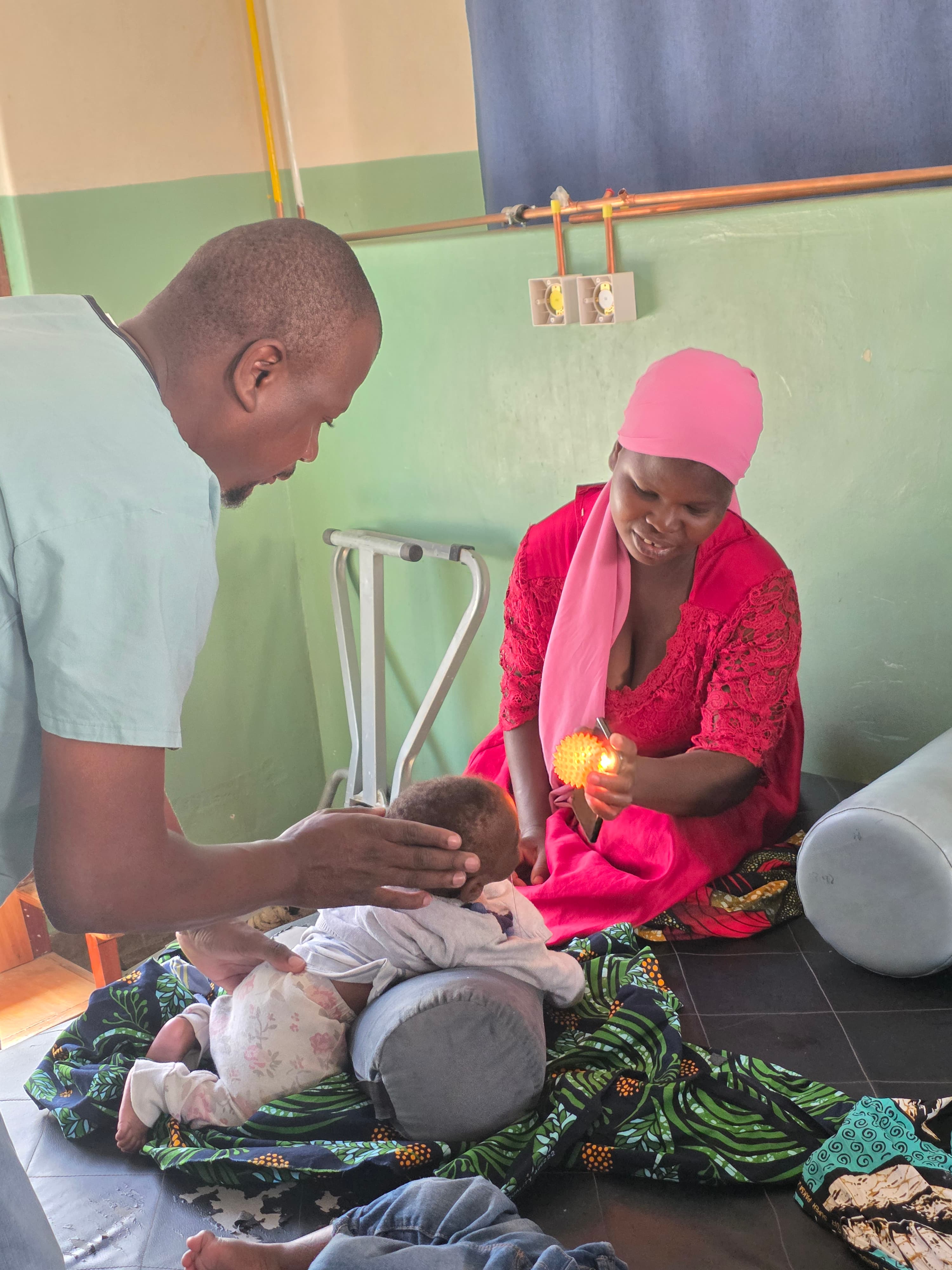
In February 2023, the physiotherapy-only clinic was redesigned around the ICF framework — physiotherapy, nutrition, medical care and health education delivered together, in one visit. That single decision is the hinge our whole history turns on.
“No child left behind” isn’t a slogan we added later. It’s the reason the clinic changed shape in the first place.
A physiotherapy clinic, alone
CP care in Mangochi begins as a single physiotherapy service at Malawi Children's Village, with no integrated support for nutrition or development.
The multidisciplinary pilot
Baseline data tells the story plainly: 42% of children had epilepsy, 40% moderate-to-severe malnutrition, and 92.2% were stunted — 35 times the national average stunting prevalence. Integrated care follows — attendance rises 59%.
A foundation with a research base
Four clinic sites, an Autism and ADHD clinic, two journal publications, our first PhD trajectory, and new collaborations with hospitals and institutions across Malawi.
Patsogolo means "forward" — this is the path we’ve walked.
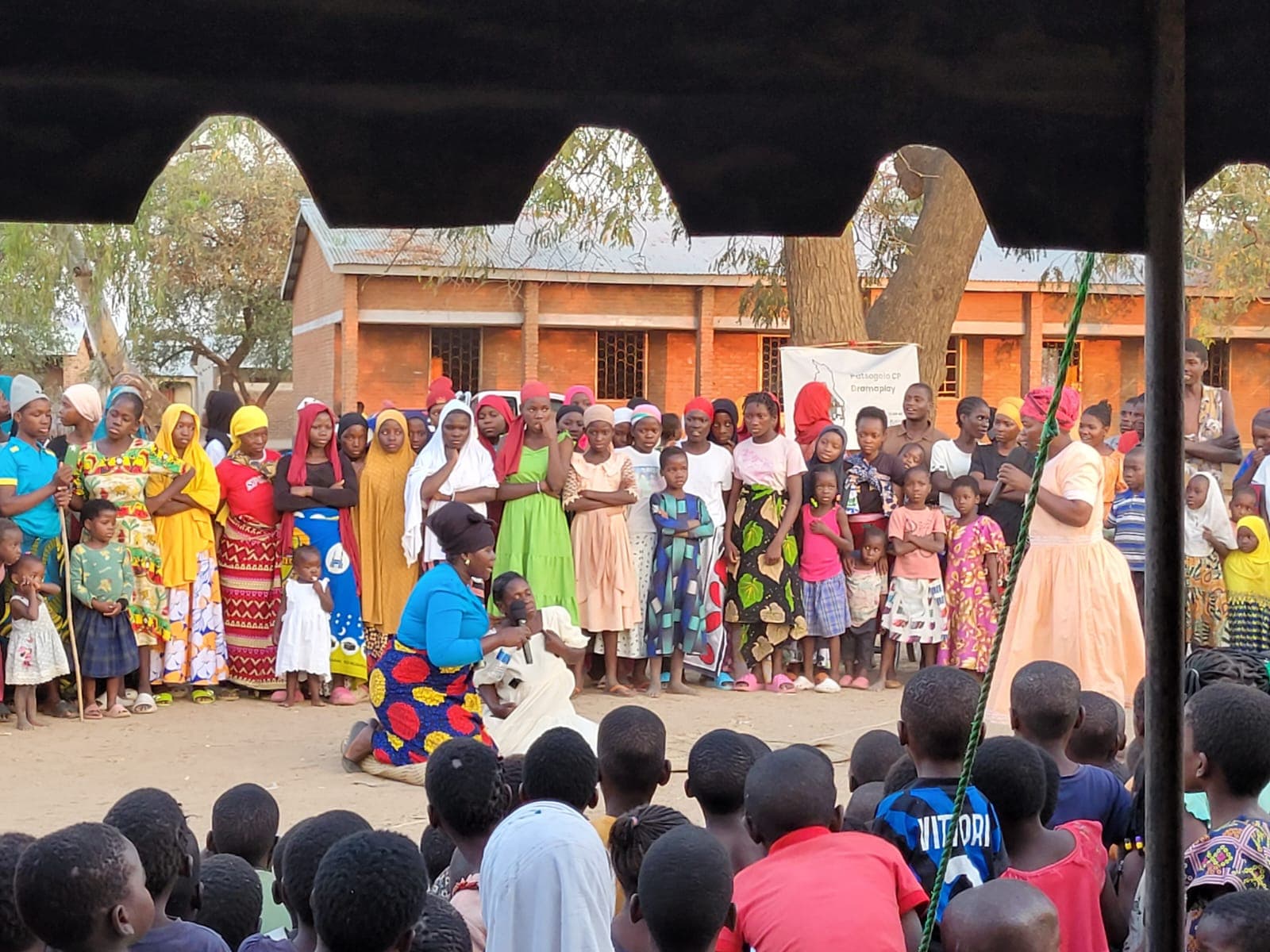
Each phase was built on evidence gathered in the one before it. Baseline malnutrition data justified the multidisciplinary model; caregiver focus groups shaped our dramaplay programme; and 2026 opened with our first PhD trajectory and new collaborations with hospitals and institutions across Malawi.
Physiotherapy only
A single physiotherapy service begins at Malawi Children's Village. Fragmented care, no integrated model.
Multidisciplinary pilot
ICF-based integrated clinic launches, end of 2023 results: attendance up 59%.
Training reaches out
20 health centres, 2 community hospitals, 73 community leaders trained.
Four sites & first World CP Day
Malembo added, bringing us to four active clinic sites. Our caregiver-led drama group forms, and we mark our first World CP Day.
Validation & second CP Day
EDACS feeding-assessment validation begins. Our electronic patient records system is introduced. Second edition of World CP Day.
Research & collaboration
Autism/ADHD clinic launched. School assessments for inclusion and new collaborations with other hospitals and institutions.
The numbers that made the case for change.
These figures, gathered by the end of 2023, are the reason Patsogolo's care model looks the way it does today.